
This is a recent article I did for the new and evolving series ThinkJr!, currently available on YouTube. They concentrate on creating engaging videos for kids ages 3-7, for help with developing a variety of skills, especially character building. I asked them if I could share some of the posts on the fithouse. This article focused specifically on bullying.
Whether your child is being bullied, is the bully, or a bystander — what do you do?
As a parent, if you find out your kid is the victim of bullying behavior it can be really difficult to figure out the best way to handle it. The mama or papa bear in you wants to retaliate, but the logical side of you knows that isn’t the best course of action. On the flip side, what if your kid is the one who is bullying someone else? What do you do?
The ironic thing is, whether your child is a victim or the bully, he needs the same thing — you. In other words, your children need your attention, guidance, and your time.
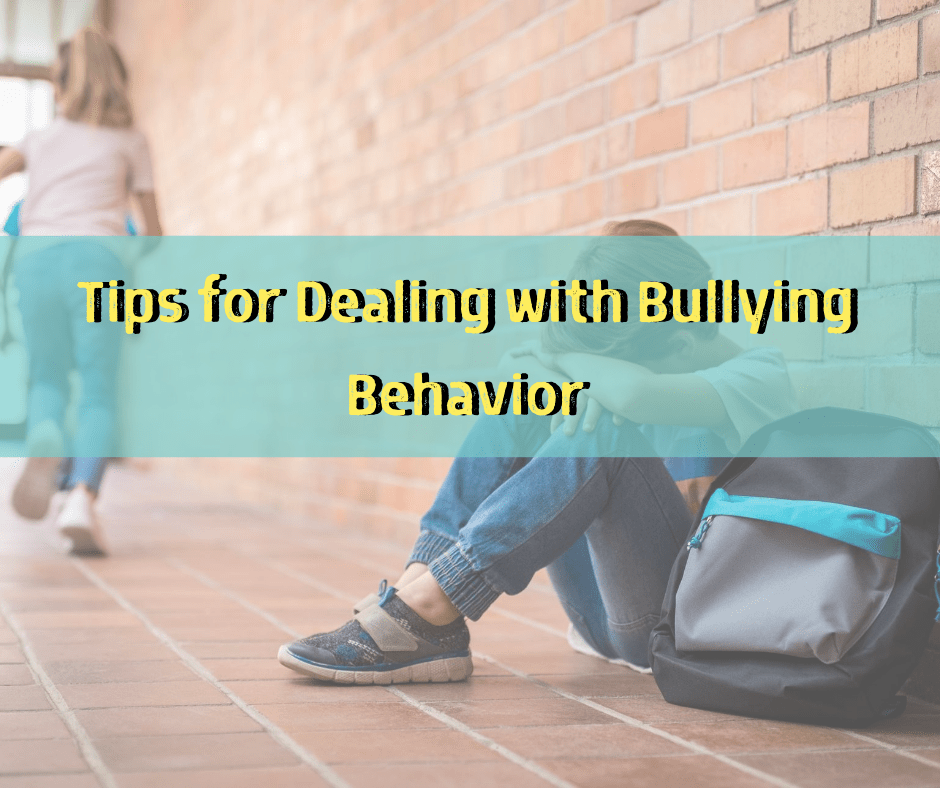
Tips for Dealing with Bullying Behavior
If your child is being bullied, he needs you to take the time to work through the problem with him. This process likely involves contacting the school, talking to the other child and his parents, and helping your child develop the necessary skills to cope with this type of behavior.
Focus on Your Child and Build Confidence
Your biggest focus should be on your own child and how you can help him handle these types of situations. It starts with building confidence. Children that possess a strong sense of self-worth and have a healthy self-esteem are less likely to be affected (or targeted) by a bully.
Likewise, children who bully others are very often insecure and desperately need proper guidance and support. Children need encouragement and help developing self-love.
These children are NOT engaging in bullying behavior because they are “bad.” They are hurting.
In cases of bullying, both the victim and the bully both need attention, love, and help. However, we often turn all of our attention to the victim and simply punish the bully. All this does is set things in motion for the process to keep repeating itself.
Talk with your children about the concepts of compassion and empathy.
Help your children see things from the perspective of other people. Young children are very much egocentric; their world revolves around them. It’s up to parents to help their children be more mindful of others as they mature and have new experiences.
Give your children the gift of your undivided attention.
Take a moment to think about how much quality time you spend with your children. Really think about it. How much time do you give to your kids that is distraction-free? In other words, the TV is not on, you aren’t looking at a computer or a phone, and your focus is completely on your children.
Be honest with your answer; you might not like it, but it’s the only way you’ll know if and what you need to change. Make it your top priority to set aside quality time for your children everyday, in which you talk with your kids and do things together without any distractions.
What if your child is a witness to bullying behavior?
If your child sees someone bullying someone else it’s important to encourage your child to have the strength and courage to do something about it. This doesn’t mean your child has to step in and start fighting the bully. However, you can help your child develop the empowering feelings he needs to speak up and say “stop.”
He can also seek help from a trusted adult like a teacher or parent and let them know what is going on with the situation. The same tips that can help bullies and children who are bullied are also beneficial for kids who tend to be the bystanders. It’s all about helping children build character and a strong moral compass.
If you’re looking for some more tips and advice on how to help your children gain essential life skills that they can use to become confident individuals, check out ThinkJr! You’ll find all sorts of useful material and videos, like the newest song about kindness, that can help your kids with character building and developing healthy attitudes.
Thanks for reading! 🙂
 thefithouse
2 thoughts on “Tips for Dealing with Bullying Behavior”