
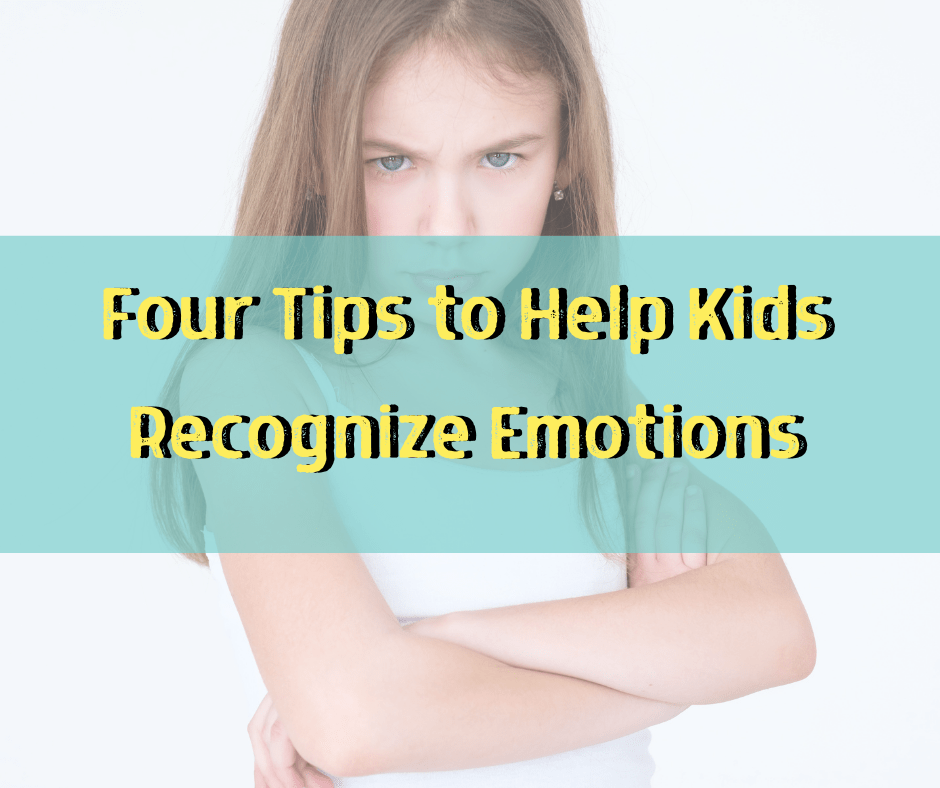
Another recent piece for ThinkJr Creations! Helping your kids recognize and understand their emotions starting at a young age can set them up for future success.
It can be pretty amazing how many big emotions children can hold inside of their tiny bodies. Unfortunately, if kids don’t know how to recognize and handle their emotions, they can end up manifesting them in some less-than-pleasant ways. For example, a child who is upset or angry can start to lash out, engage in bullying behavior, and misbehave, while a child that is super-excited can have a hard time staying focused.
There are many adults who struggle with handling their emotions, so it isn’t something that we just know how to do. Therefore, it’s up to us to teach our kids about feelings, help them identify what they are feeling, and then guide them through the appropriate way to deal with their emotions.
For young children, here are four ways to help them recognize and handle their feelings:
Read All About It
Read books to your children about feelings. As you read, discuss the different emotions that pop up throughout the pages. When you read stories, ask your child questions about what she thinks the characters are feeling and why. When she answers, ask her how she came to that conclusion; for example, the expression on a character’s face, something the character said, etc. Relate the feelings that you read about to real-life scenarios to help your child make more sense of the emotions she experiences every day.
Role-Play
Grab some puppets and start to put on a mini-play about feelings. If your child is upset about something, role-play with her to explore her emotions as well as give her the opportunity to express herself. A puppet or a stuffed animal is a great way for your child to feel more comfortable about expressing how she feels.
Verbalize Emotions
When your child is feeling a certain way, give a voice to her emotions. For example, if your daughter is angry because she can’t play with her dolls until after she eats, talk out loud about what she is doing. Therefore, if she’s yelling and refusing to eat, you might say, “Oh, I can see that you are so mad and angry right now. You want to play with your dolls NOW, but I’m telling you to eat first. You don’t want to do that, and it makes you MAD.”
Once you’ve given a voice to your child’s feelings (and shown her that you understand how she feels) take it a step further, and suggest how she can handle it. You might say, “Maybe you can take a deep breath and tell me how mad you are. It’s okay to be mad. Sometimes we all have to do things we don’t want to do before we can do the things we want. Maybe your doll can sit with you while you eat, and then she’ll be right there ready to play when you’re done!”
In this example, you’ve helped your child identify her feelings, told her it’s okay to feel that way, offered her a coping technique, and provided a solution to help her get through the situation.
Make Faces
What kid doesn’t like to make faces? Have a silly face contest with your kids and see if you can guess each other’s emotions. Have your child make faces while looking into a mirror and verbalize what feelings she is expressing. This exercise also helps your child recognize what others might be feeling by paying attention to their actions and behaviors.
Key Takeaways
- Your child feels many emotions in a matter of seconds, you need to teach her how to recognize and handle these emotions.
- Read books to your child about feelings.
- Play games with your child that can help her express herself. Role-playing games with puppets are a great way to do this!
- Verbalize your child’s emotions by talking about what she is doing and how she is feeling.
- Let your child make faces while looking in a mirror so she can recognize what different emotions look like. This exercise can also help her recognize what others are feeling.
The world is a big, brand new place for kids, and there are so many things to learn. Often, as parents, it can seem overwhelming when we think of all of the different skills and traits we want to teach our children. We also want to make sure they have everything they need to make friends and form successful relationships with others.
Luckily, the team at ThinkJr Creations understands, and we’re here to help you guide your kids every step of the way! Check out our site for new, beneficial videos and more that helps encourage positive qualities and character building. Your kids will love listening and watching the stories and songs, and they will learn in the process!
 thefithouse
One thought on “Four Tips to Help Kids Recognize Emotions”